
Packaging Design: Importance, Strategy, and Creative Solutions
What Is Packaging Design?
Packaging design is the art, science, and technology of enclosing or protecting products for distribution, storage, sale, and use. Beyond its functional role, packaging design plays a crucial part in branding and consumer psychology. A well-designed package is not only about protection but also about visualizing the brand identity and fulfilling consumer aspirations.
An effective packaging design helps products stand out in crowded marketplaces. Whether it’s the vibrant graphics on a snack wrapper, the sleek shape of a perfume bottle, or the playful characters on a children’s toy box, packaging becomes the silent salesperson that attracts, informs, and persuades buyers.
Key Role of Graphics in Packaging Design
One of the most critical factors in packaging design is the graphic presentation. The visual elements—colors, typography, and imagery—are the first aspects consumers notice on shelves. For example:
- Food packaging often relies on appetizing imagery that tempts shoppers.
- Children’s products may feature animated or comical characters that instantly grab attention.
- Luxury items typically adopt minimalistic, elegant designs that convey exclusivity and premium value.
In short, packaging graphics are not just decoration; they are a direct communication channel between the product and the consumer.
Why Is Packaging Design So Important?
In today’s competitive market, packaging design is no longer optional—it’s essential. Research on consumer shopping behavior shows that most purchase decisions are instinctive. Colors, shapes, and familiar design cues influence buyers within seconds.

Standing Out Among Thousands of Products
With supermarkets in Indonesia carrying an average of 42,000 items, your product needs to stand out. Packaging design is the difference between being noticed and being overlooked. A dull or generic package risks being ignored, while a creative, eye-catching one increases visibility and sales potential.
Packaging as a Marketing Tool
Packaging design serves as a marketing tool on the shelf. It doesn’t only display information; it communicates emotions, evokes curiosity, and builds trust. The best packaging designs attract attention, provoke desire, and reinforce the overall brand story.
Emotional Connection and Shelf Impact
Customers are more likely to pick up a product if its packaging resonates emotionally. Bright, playful designs make customers smile; minimalist and sleek packaging appeals to sophistication. This connection, known as shelf impact, is one of the strongest indicators of sales performance.
How Professional Packaging Design Helps Your Brand
1. Form and Function in Packaging
At its foundation, packaging must protect the product during distribution, storage, and use. But functionality is not enough—shoppers must immediately recognize what the product is and why it benefits them. Effective packaging design balances practical form with compelling messaging, ensuring safety, clarity, and appeal.
2. Creating Maximum Shelf Impact
When consumers are faced with dozens of similar options, the product with unique, innovative packaging naturally gets picked up. Distinctive packaging—whether through bold colors, unusual shapes, or creative materials—creates curiosity that leads to higher sales.
3. Honesty and Transparency
Trust is vital. Packaging design must reflect the reality of what’s inside. If the packaging promises something that the product cannot deliver, customers will feel disappointed, leading to negative publicity and brand damage. Honest packaging builds credibility and repeat purchases.
4. Practicality and Usability
Beyond visual appeal, packaging must be practical. Customers value products that are easy to store, carry, and use. Size, shape, and material all influence consumer satisfaction. For example, resealable packaging for snacks or ergonomic bottle shapes enhance usability while maintaining creativity.
5. Originality and Creativity
Unique packaging design communicates exclusivity and high quality. Creative concepts set your brand apart from competitors and allow for premium pricing. Consumers often associate originality in packaging with innovation in the product itself. This perception boosts brand loyalty and sales.
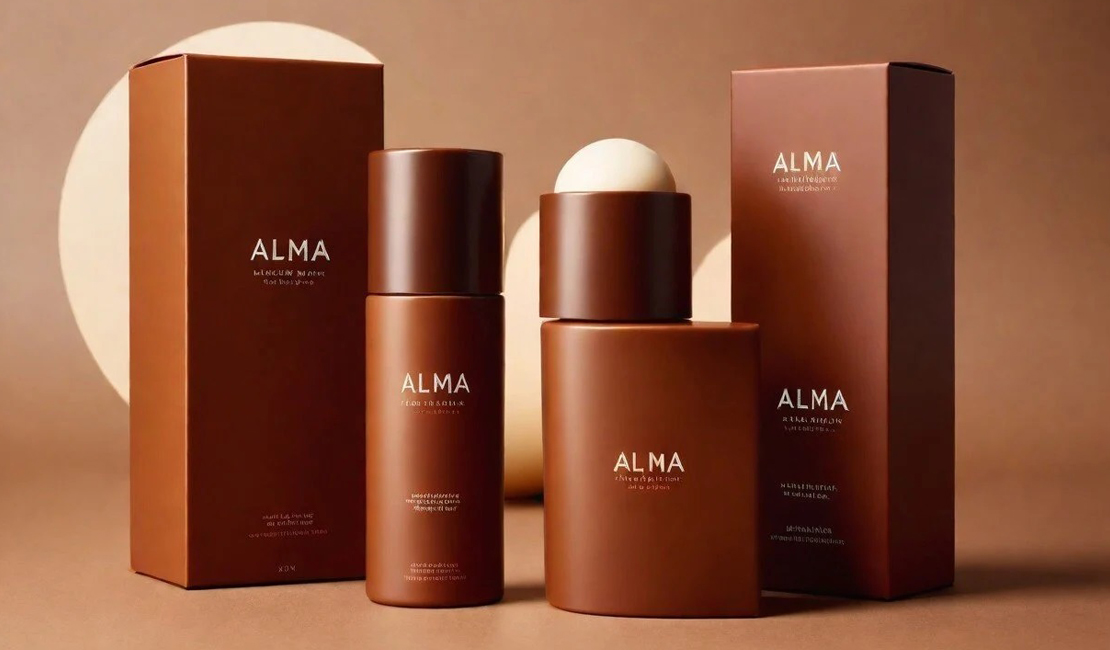
Packaging Design Services by Rio Mario
Customized Branding Solutions
Every product has its own story, and your packaging should tell it. I specialize in creating designs that align with your brand’s personality while meeting market expectations.
Creative and Functional Approach
My approach combines aesthetic creativity with functional practicality. From visual graphics to structural design, every element is tailored to attract attention while ensuring usability.
Long-Term Brand Impact
A powerful packaging design is not just about short-term sales—it’s about building long-lasting brand recognition. By choosing professional design, your product will leave a memorable impression that consumers associate with quality and trust.
Good vs. Bad Packaging Design: A Quick Comparison
To better understand what makes packaging design effective, here’s a simple comparison between good packaging design and bad packaging design.
| GOOD PACKAGING DESIGN | BAD PACKAGING DESIGN |
| Visual Appeal: Eye-catching graphics, clear typography, strong colors aligned with brand identity | Visual Appeal: Dull, cluttered, or generic design that fails to grab attention |
| Brand Communication: Clearly shows brand name, logo, and product purpose | Brand Communication: Confusing or missing brand message |
| Practicality: Easy to open, resealable, convenient size and shape | Practicality: Difficult to use, oversized, or awkwardly shaped |
| Honesty: Product imagery matches what’s inside | Honesty: Misleading visuals or exaggerated claims |
| Creativity: Unique design elements that differentiate product | Creativity: Standard, copycat design similar to competitors |
| Shelf Impact: Stands out among competing products, encourages curiosity | Shelf Impact: Gets lost on the shelf, no strong presence |
| Consumer Trust: Builds credibility through consistency and quality | Consumer Trust: Creates disappointment, damages brand reputation |
Conclusion: Why Invest in Packaging Design?
Packaging design is more than just a container; it is a strategic marketing tool that communicates directly with consumers. From catching the eye on a crowded shelf to building brand trust, packaging plays a vital role in the success of any product.
If you want your product to stand out, connect emotionally with your target audience, and boost sales, investing in creative, functional, and honest packaging design is the way forward.